Gravitons Universal Gravity System Slides
Falling with Style
This is our journey to building a gravity system that
"Just Works"
Some Background
The system I'm going to show is being developed for a game with working title Graviton
Although, as with all working names, I get the feeling it's going to stick
NOTE: This is a WIP, have mercy
I'm working on this as part of a small indie studio called Lunaboot studios, we are currently looking for funding for this project so if you are interested feel free to send me a DM. Anyways, now that that's out the way what actually IS the game.
The pitch:
It's a combination of
Portal + Monument Valley + SUPERHOT
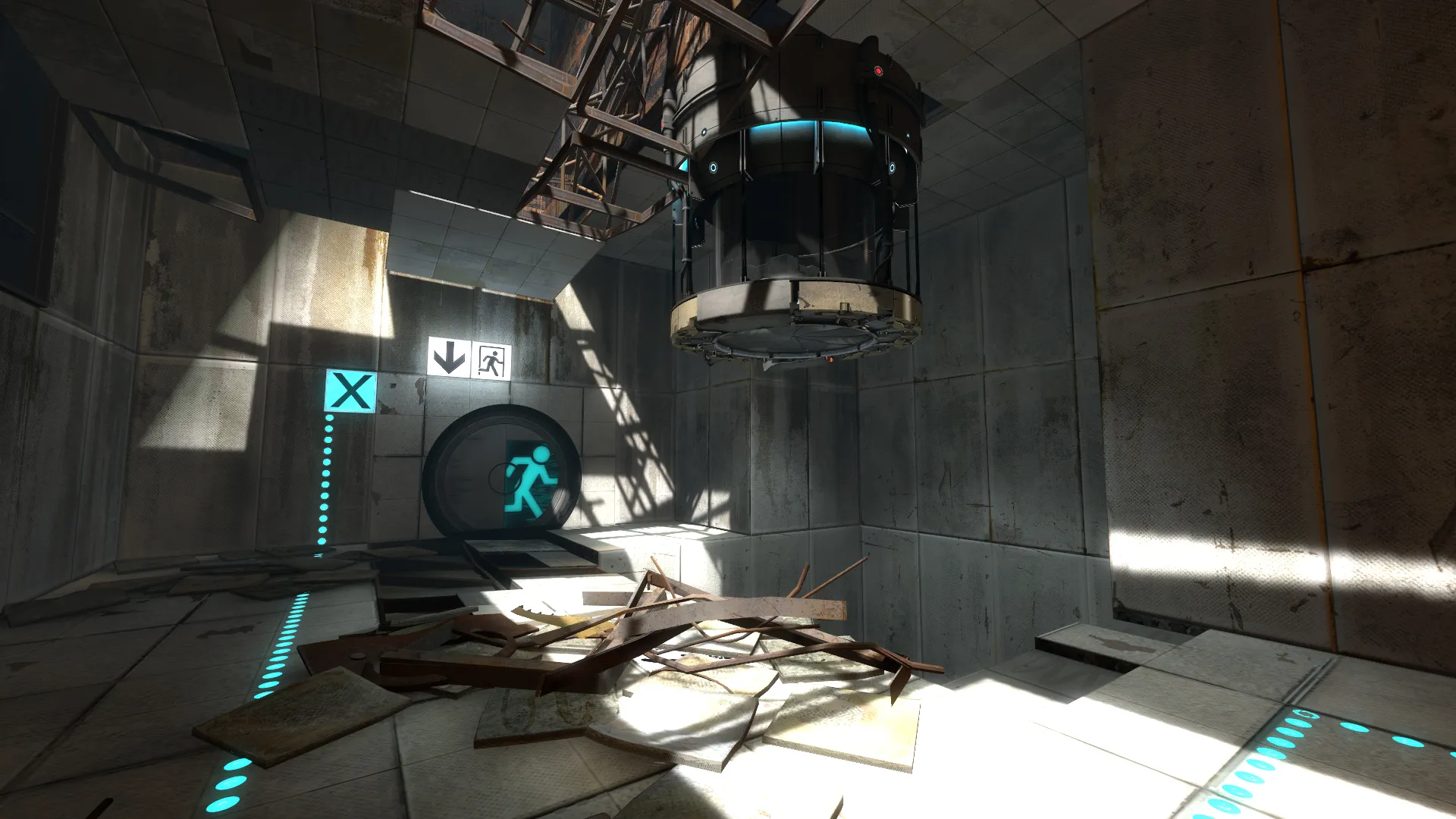
The puzzle and narrative design elements of portal
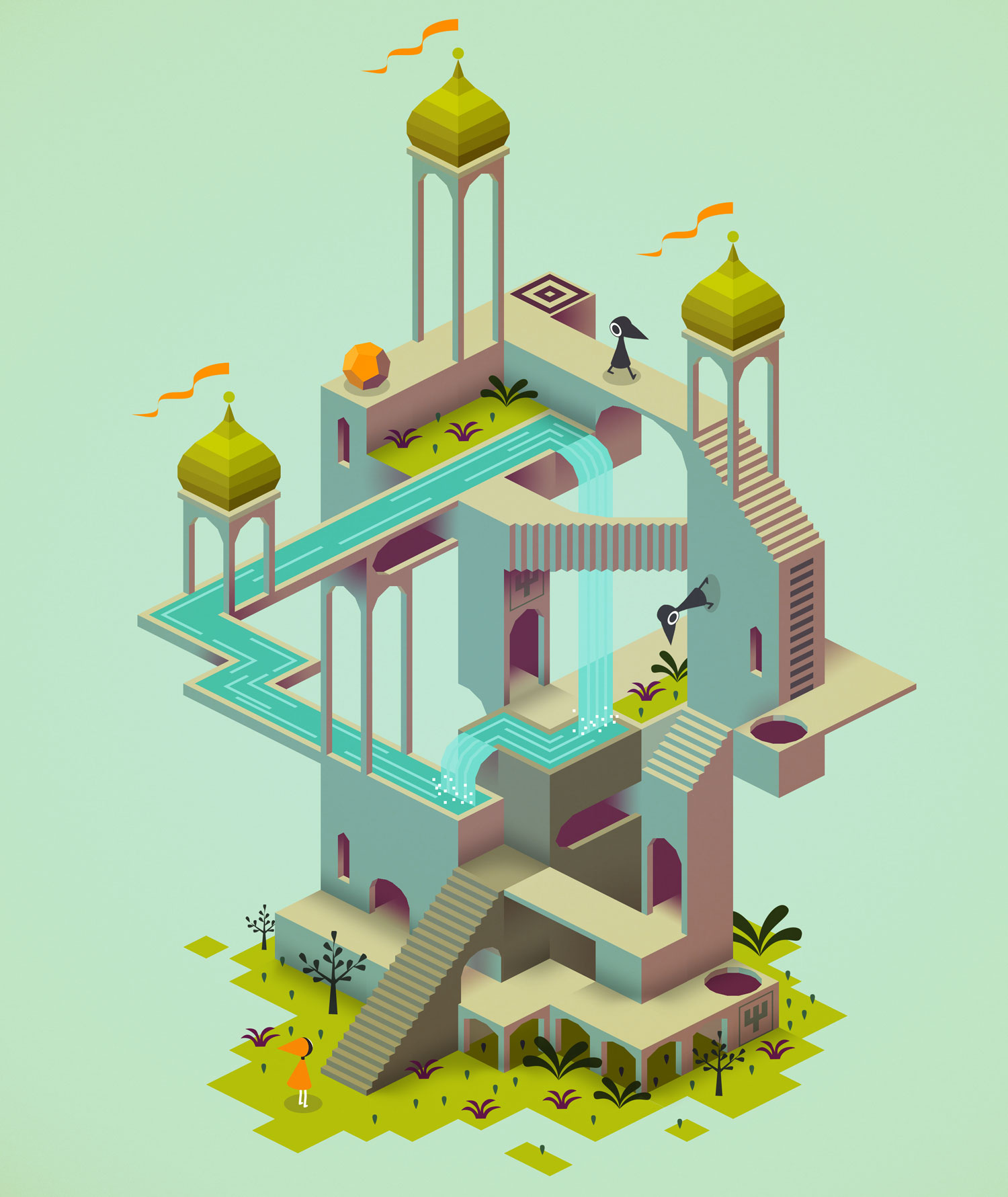
The surface traversal of monument valley
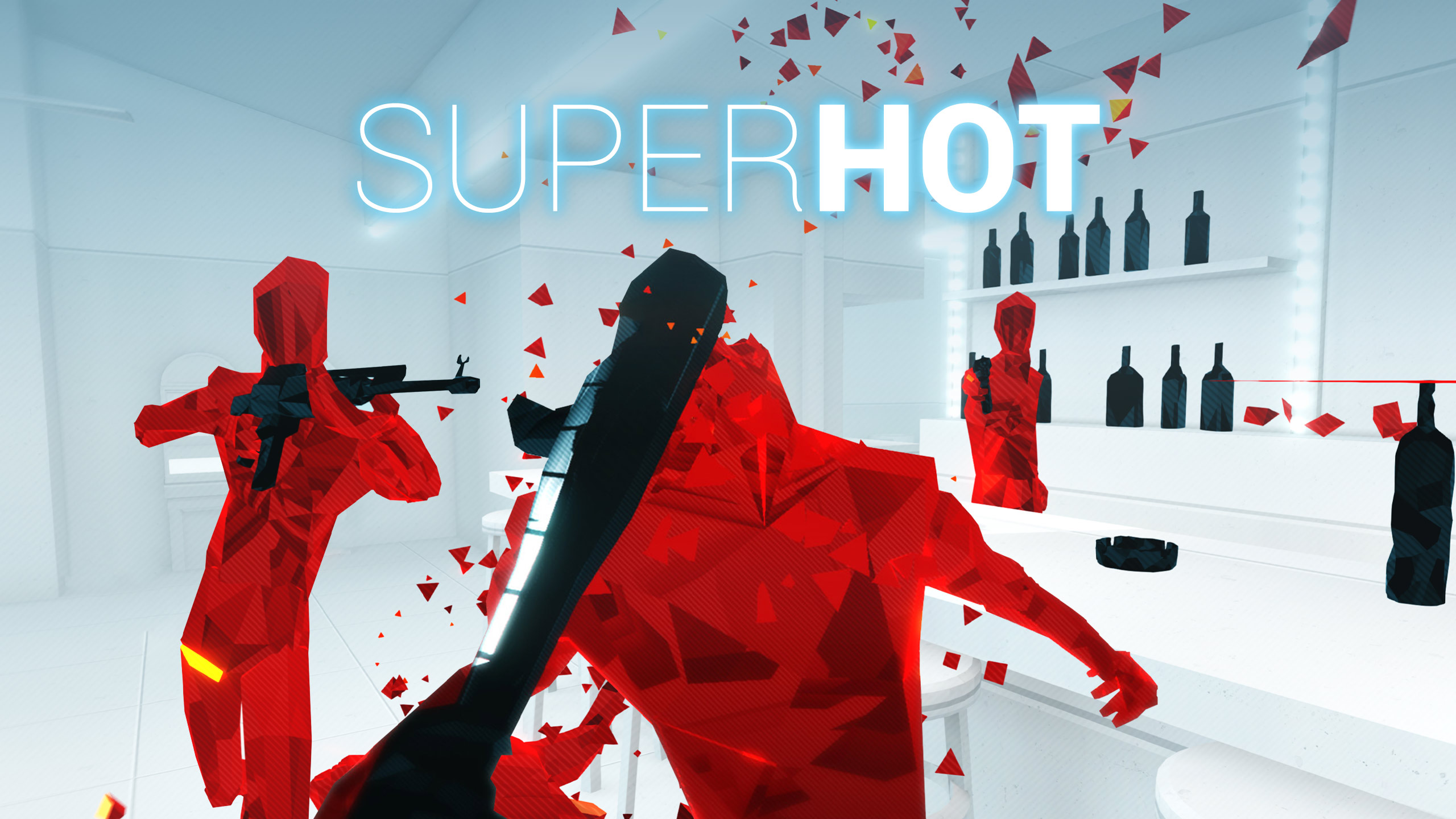
And the bullet time of super hot
The core thesis of the game is that:
Everything is Relative
There is no singular time scale, you can slow things down, speed them back up, have them interact with each other or animate at multiple different time scales.
And there is no specific up or down direction. If you can draw a continuous path from A to B, you can walk it.
How did we get here?
Lets start from the beginning as there were many, many poor decisions made along the way.
The Prototype
We made our first prototype in Unity and got quite far along, we even had a level editor and plans to have a system that allowed us to build the game inside the game. But the more we worked in Unity the more we realised the physics engine being a black box was going to be a problem.
So we
Migrated to Unreal & Perforce
List of mistakes
- We self-hosted our own instance of Perforce, terrible idea really
- We had no workflow plan, well nothing concrete at least
- We made a fork of the engine (seriously what were we thinking)
They did all pay off on the end but they sure did suck in the moment
And to top it all off I had
Basically never used Unreal before

We got to rebuilding, so
Under the hood
we had a self-orienting character controller that aligned to a given direction and calculated it's forward and right directions based on that
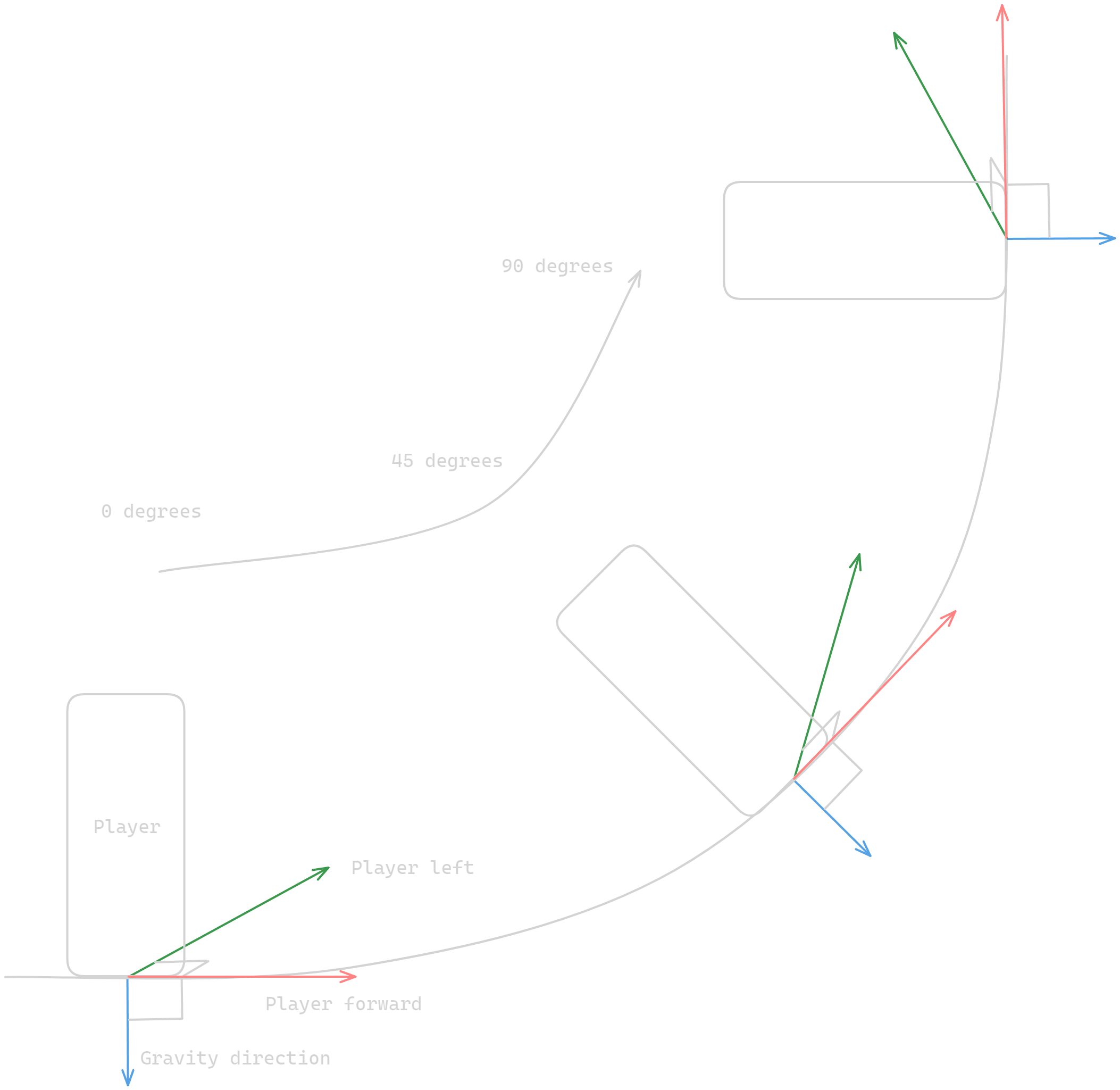
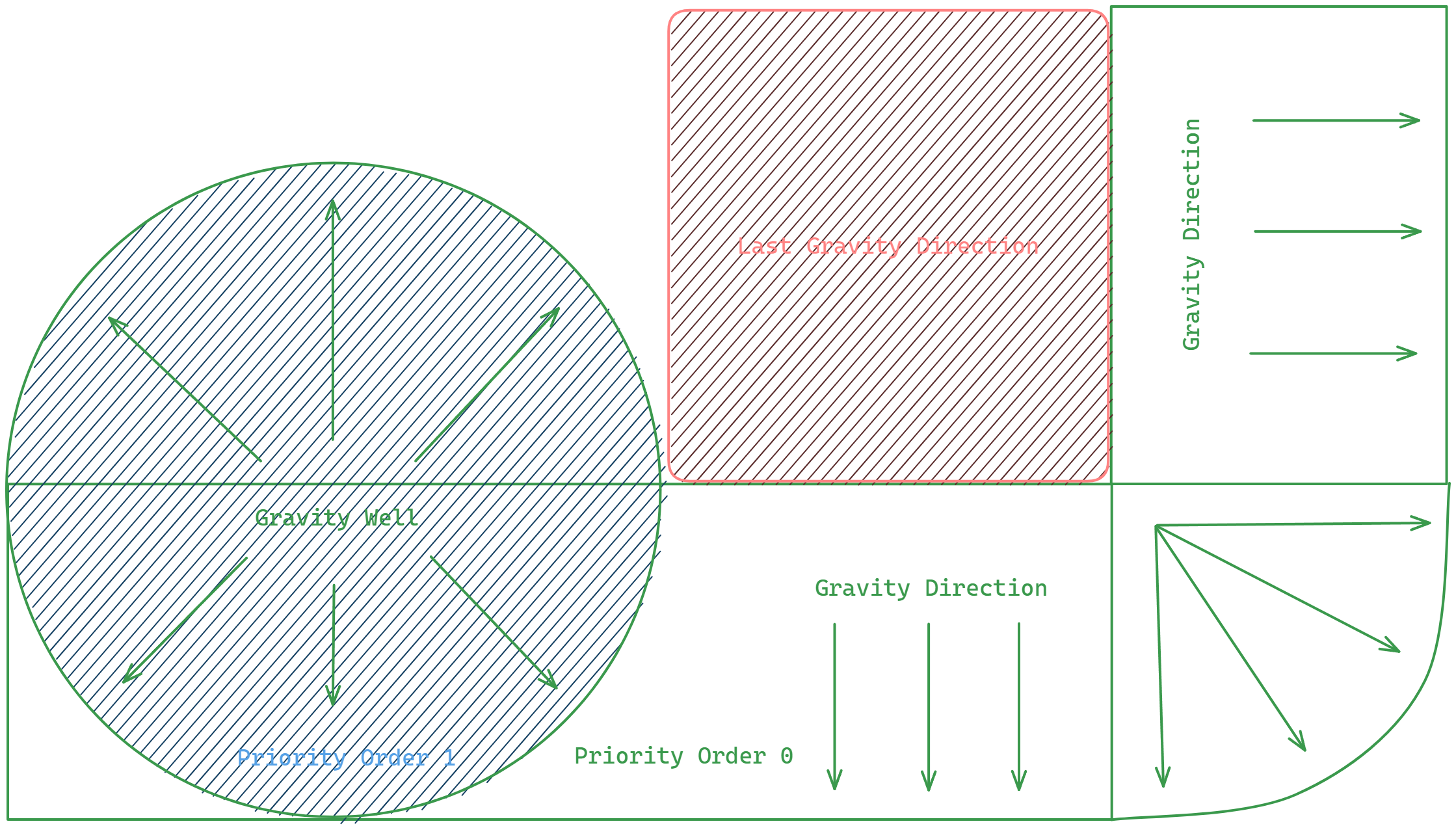
Every piece of the environment modular kit would have a custom trigger box we called a rotator. When the player is inside the rotator they return a direction based on a mathematical function for which way is up to the CC.
For overlapping rotator we used a priority system that just checks which rotator had a higher priority order and used the vector from that one.
But there was
A problem
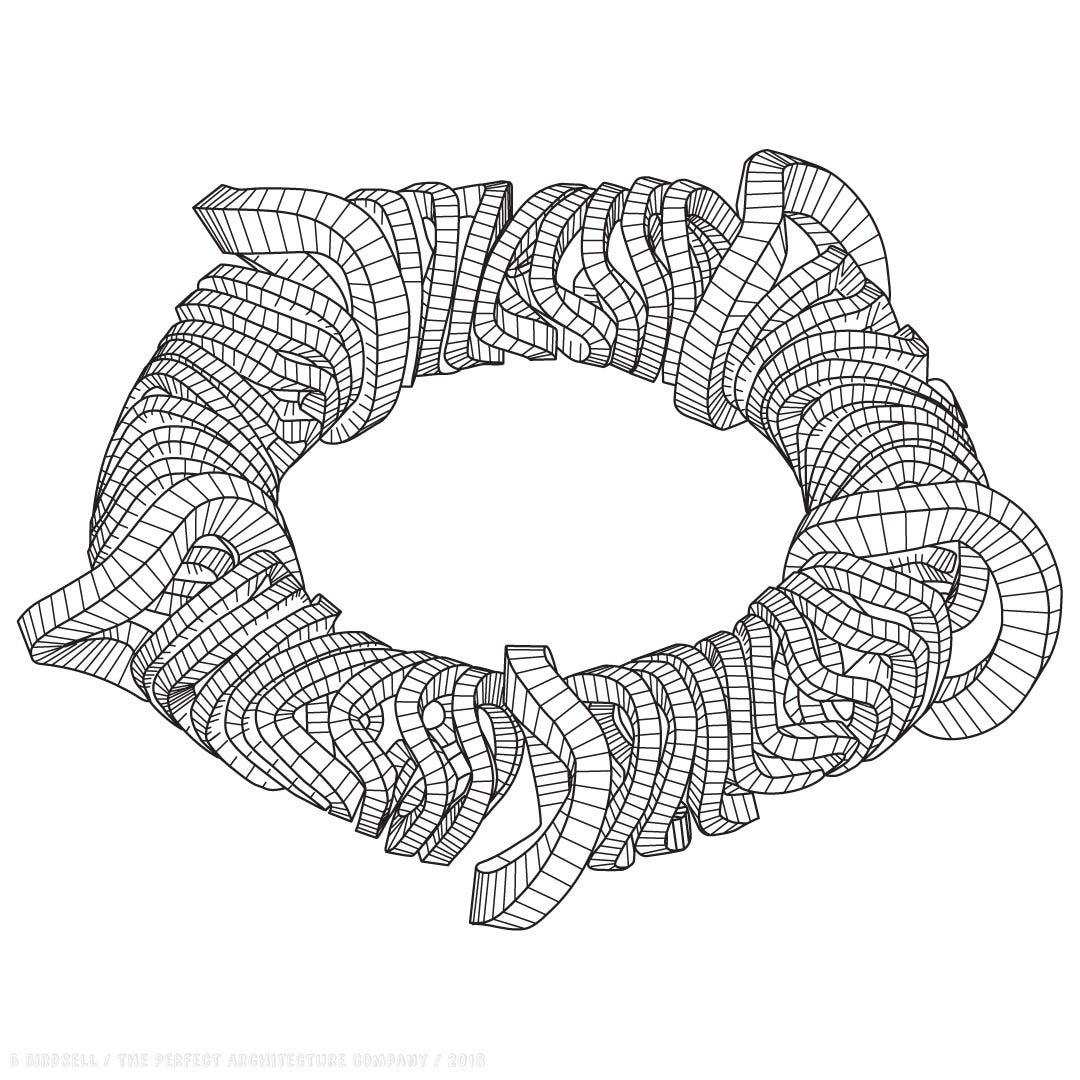
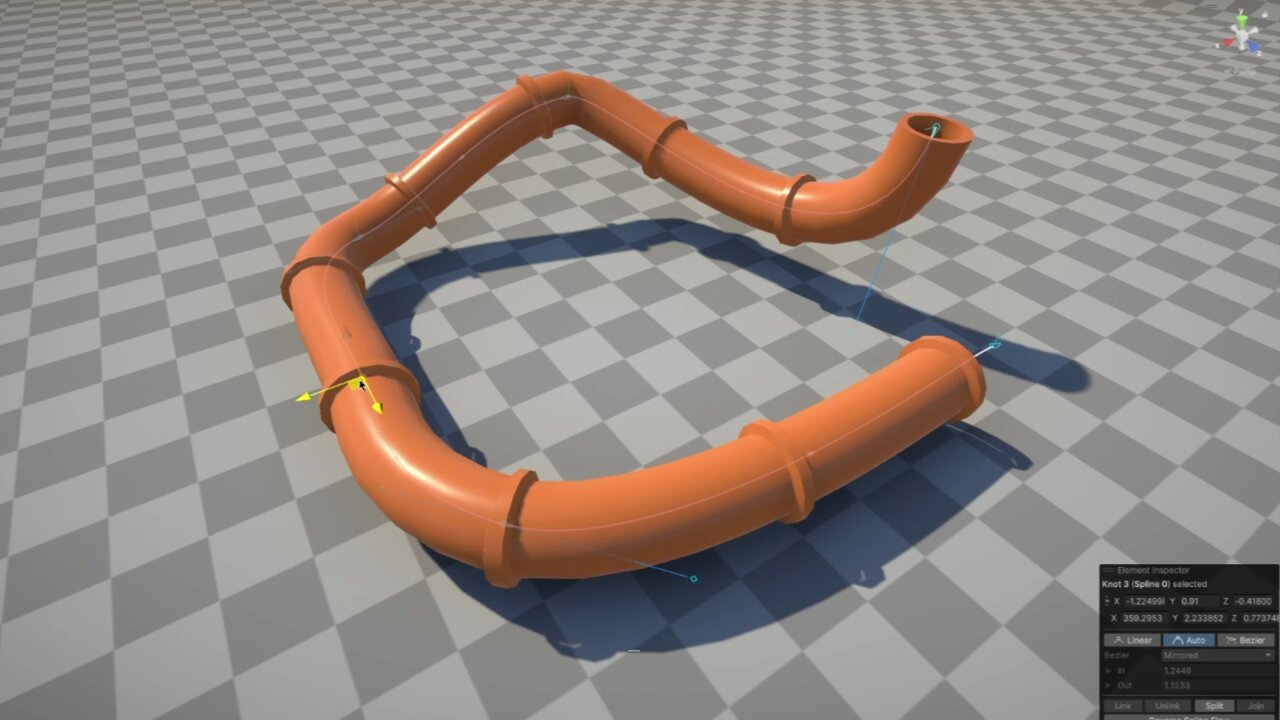
Complex shapes were still complex, very complex
imagine trying to get something like this working, even with basic shapes it's definitely not easy
Also, it
Takes too long per piece
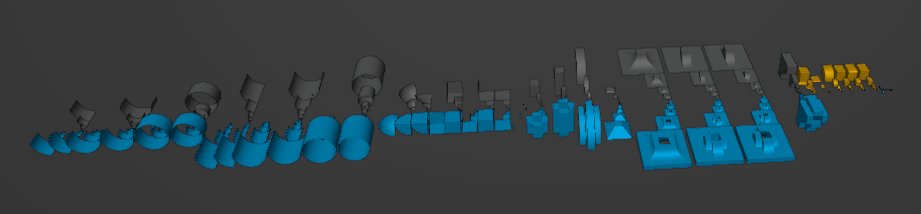
On top of making the mesh, you would have to:
- Research the needed function
- Create a prefab/blueprint
- Test edge cases/bugs
End-to-end, probably around 4hrs/pcs
At 300-400pcs that's between: 1200-1600hrs of programmer time
And
This does NOT include art time spent making trigger meshes
And arbitrary shapes? a pipe dream
A new (old) way to do gravity
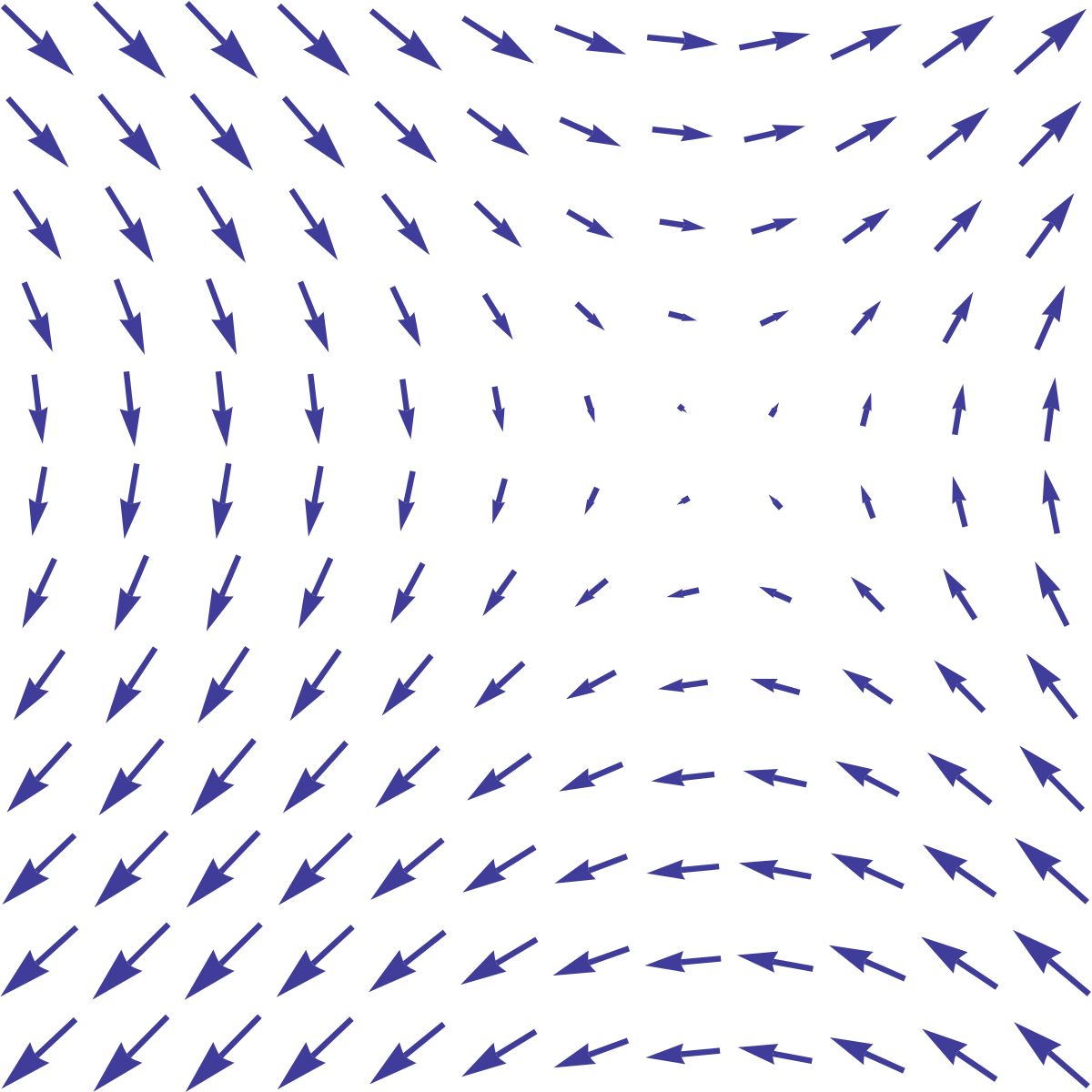
Vector fields have been around for a long time and have been used for describing gravitational fields since before I was born
Could we use our environment surfaces to create a vector field instead of creating the function and meshes for it ourselves?
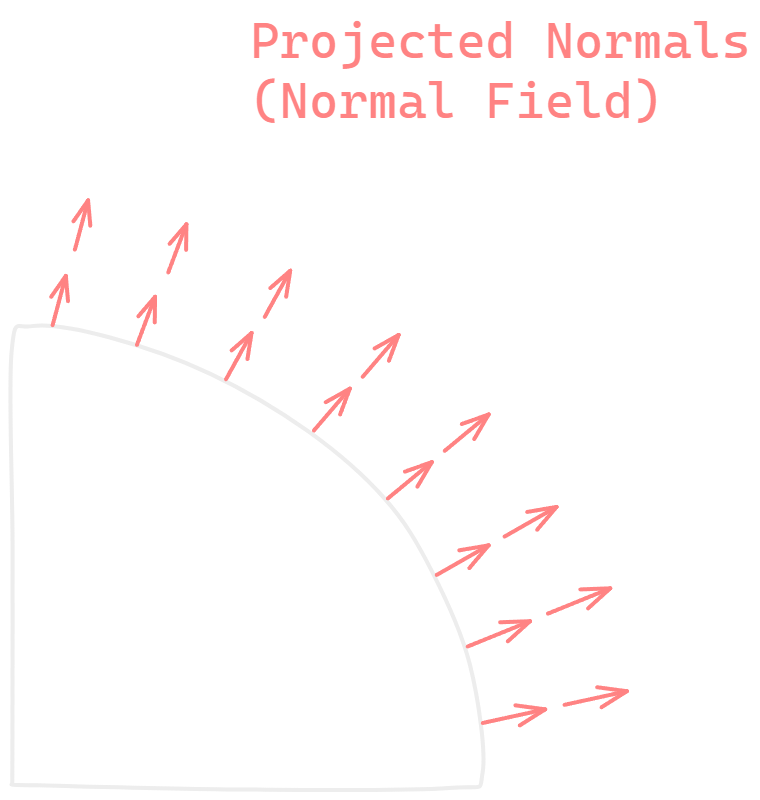
We start by projecting the normals and stepping them out a few times, creating what we call the normal field, this already gives use a pretty decent field to use for the player direction
We run a k nearest neighbour algorithm to sample the closest normals in the field and viola, we have the direction of the player
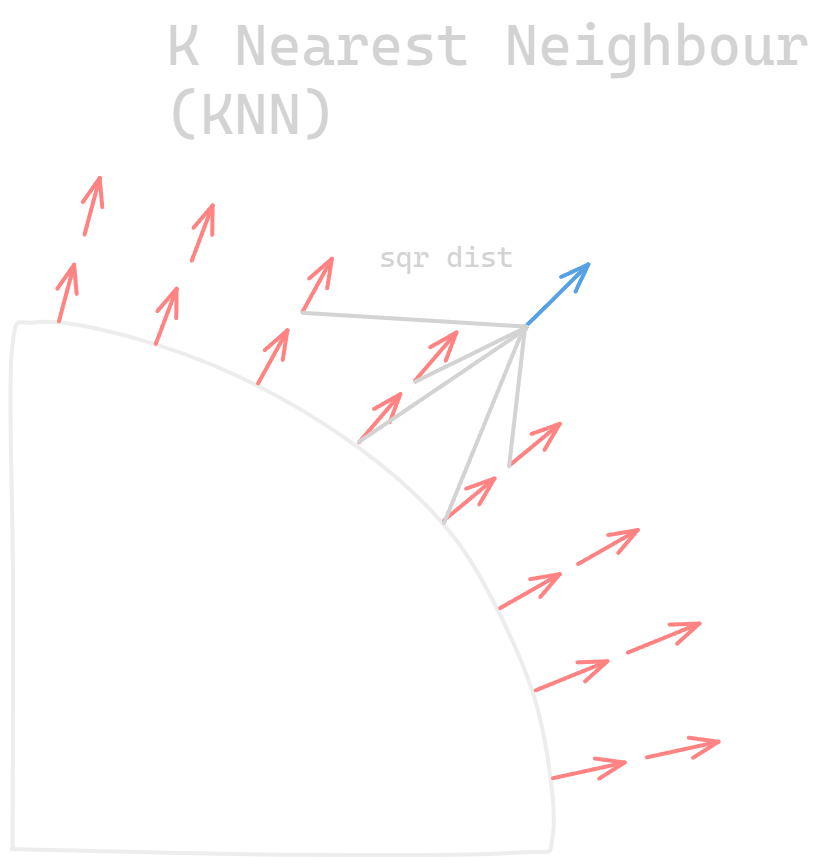
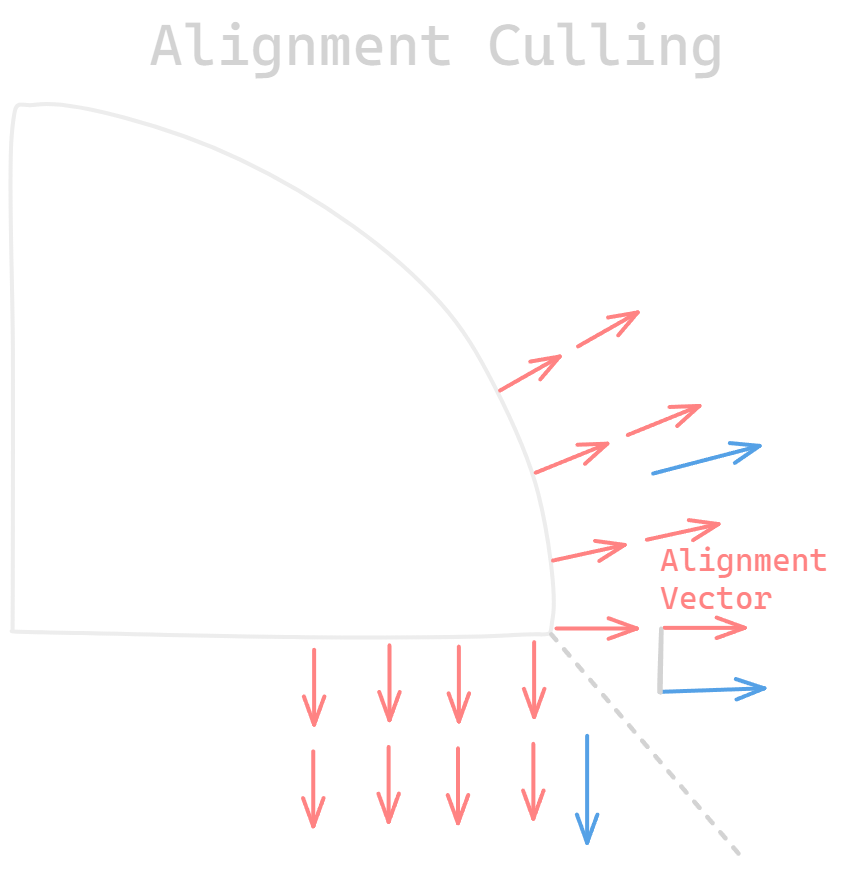
Now for our game we want to have cut off points around sharp edges, that way the player doesn't accidentally snap to a wall they should be sliding down.
To do this we find the closest vector in the normal field and use that as our alignment vector and use a dot product to filter or cull any vectors in our k closest normals for the direction sampling
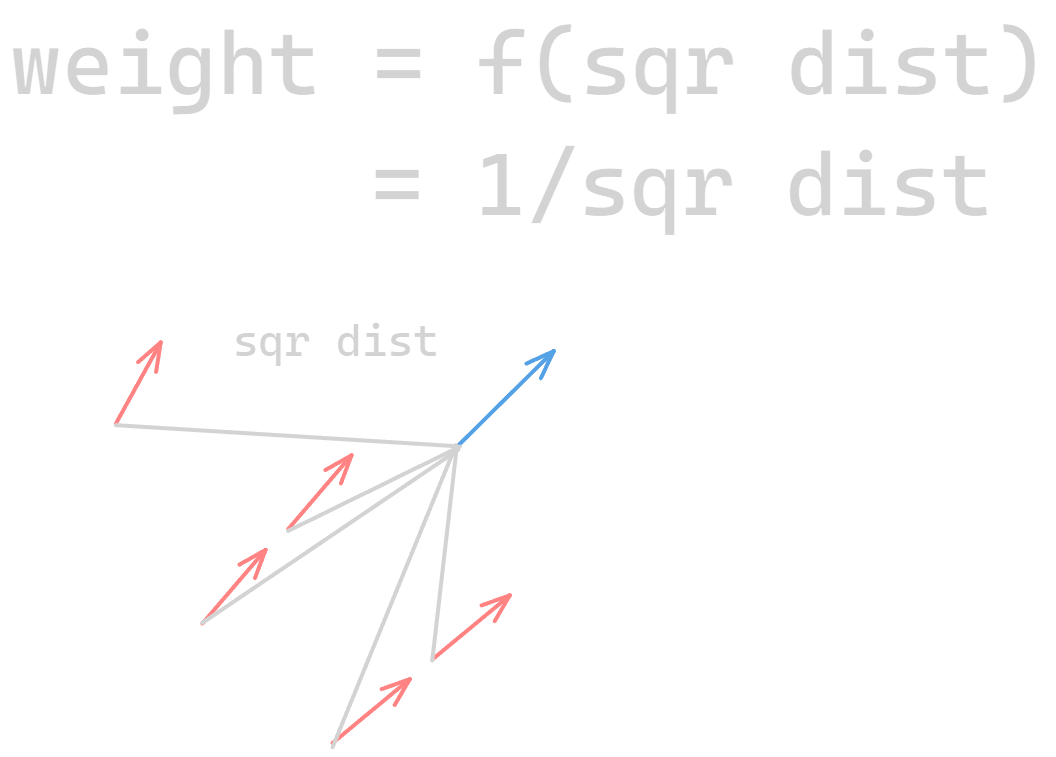
Now to help smooth things out we use a weighting function for calculating the falloff in influence of each of the sampled vectors
we can use 1 / sqr dist, a gaussian, polynomial or exponential falloff for the weight function, we are still experimenting with this at the moment
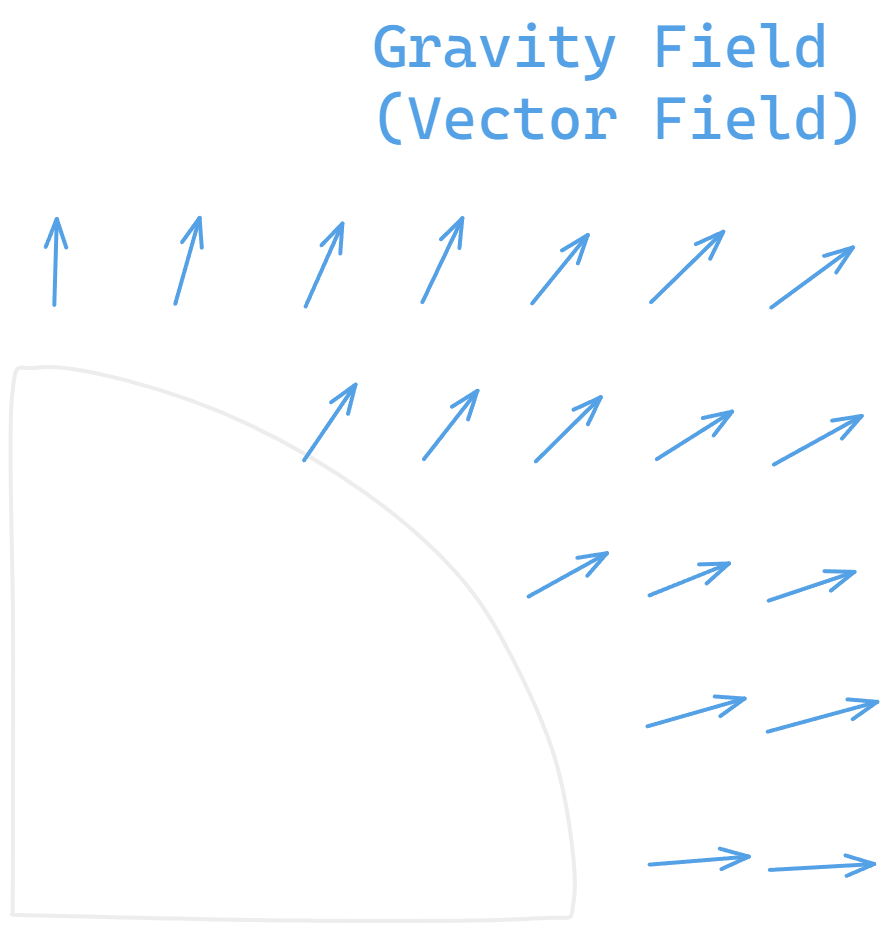
However, there is still an issue with using normals directly, and that is that the field isn't uniform, and therefore you can have places with much higher and lower vector density which can create some weird snapping in parts of the environment, particularly in the air around the piece.
Instead we ran the above for discrete points in space to create a uniform vector field we call the gravity field. This produces a much smoother and more consistent experience when sampled.
Now that we had gotten the easy bit out of the way, we move onto the next phase:
Just optimise it bro
We started with the low hanging fruit, with most of the computation being in the KNN we used Unreal's Heapify() function to build
Heaps for KNN
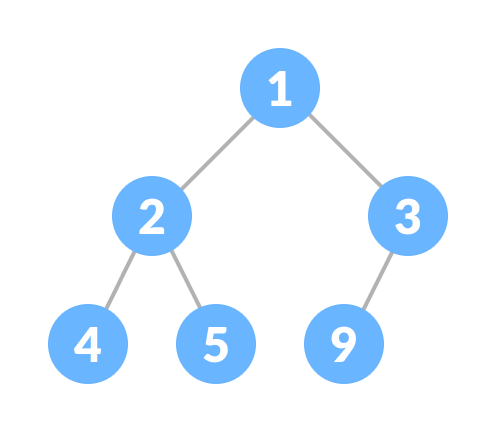
A heap essentially maintains a specific order (in our case a min-heap) where parents are always smaller than their children
By building the heap we could quickly get the shortest distances
Heaps allow for O(n) + O(k log(n)) rather than the O(n log(n)) of the naïve solution of just going through every element in the array
For very large n we get:
O(n) + O(k log(n)) ~ O(n)
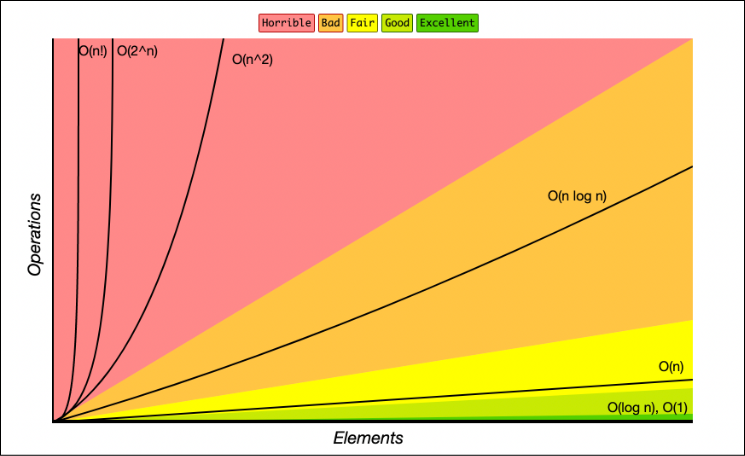
So as the vector field density increased the performance gains were more apparent
Next was
Spacial partitioning
We chose octrees because they are built into the engine, but we might change it for something more optimised for uniform grids
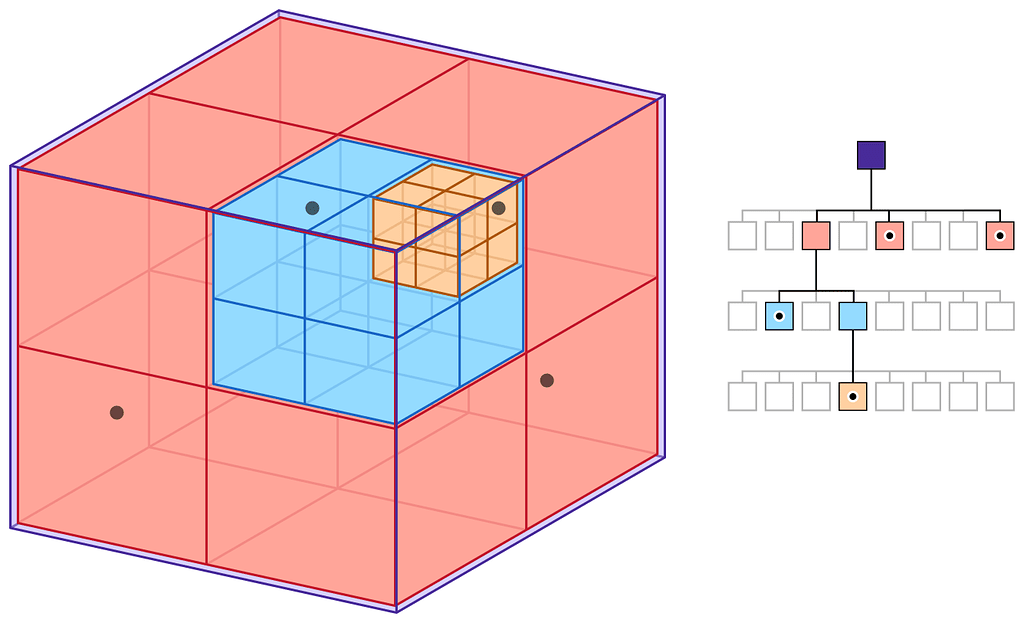
In Unreal they have a class called TOctree... which is DEPRECATED, so how does Epic Games fix this? By slapping a number on the end of the class and calling it a day
And thus, TOctree2 was born
Epic, I get why you did it, but I still hate it
class TOctree : public TOctree_DEPRECATED
class TOctree2
By partitioning the sampling space we could reduce n significantly and improve performance without affecting the final output quality, especially for sparse grids with empty regions
We use it for:
- Sampling candidates for the KNN
- Culling points far away from a projected normal
By doing this we can skip massive parts of the level and do global vector field generation
But what use is this if we leave the hardware untapped, so we decided to
Give it more JUICE
The setup is currently multi-threaded on the CPU for the most intensive parts
And we are going to be adding a GPU implementation to allow for a hybrid of both
Going Forward
We aren't done yet
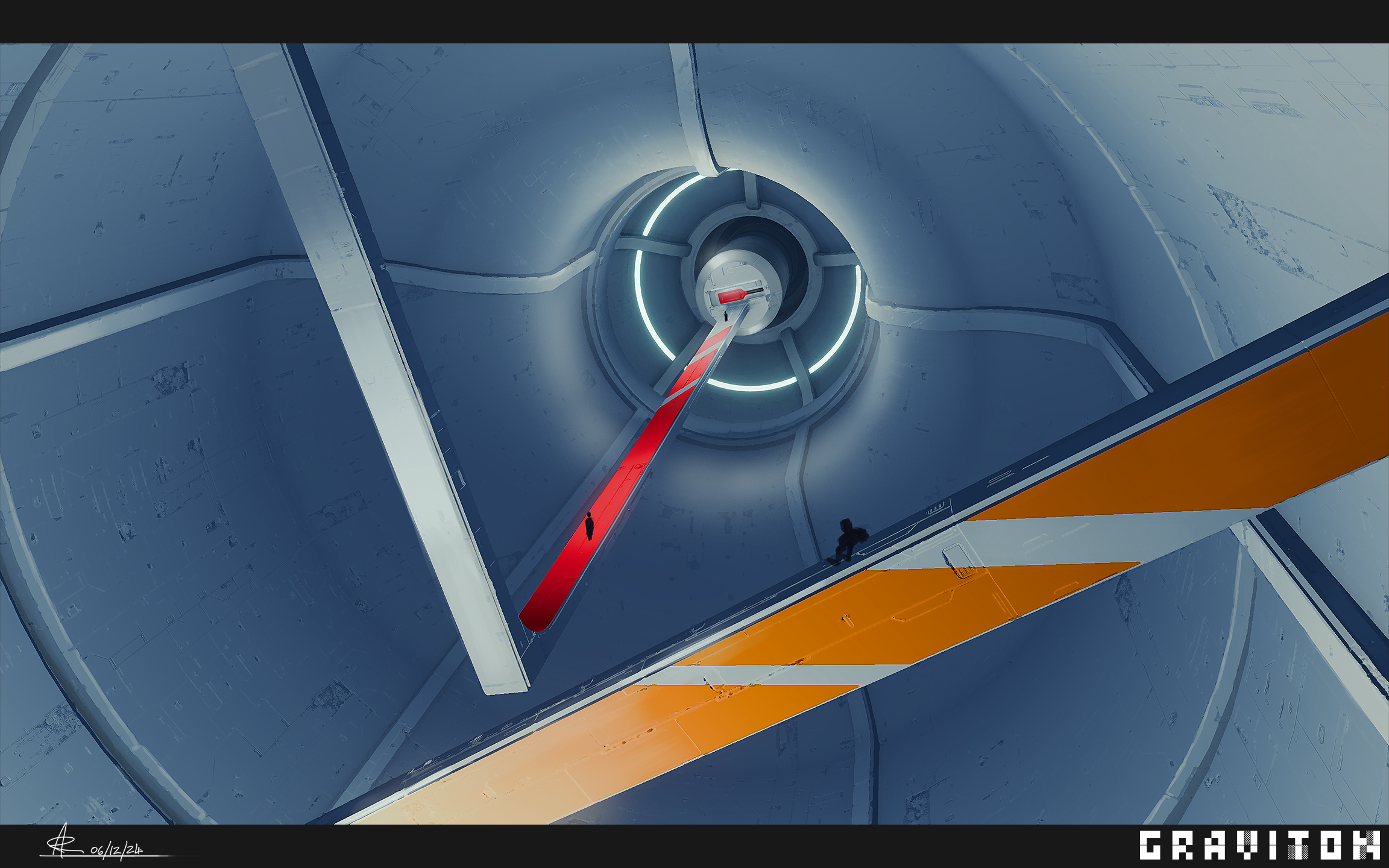
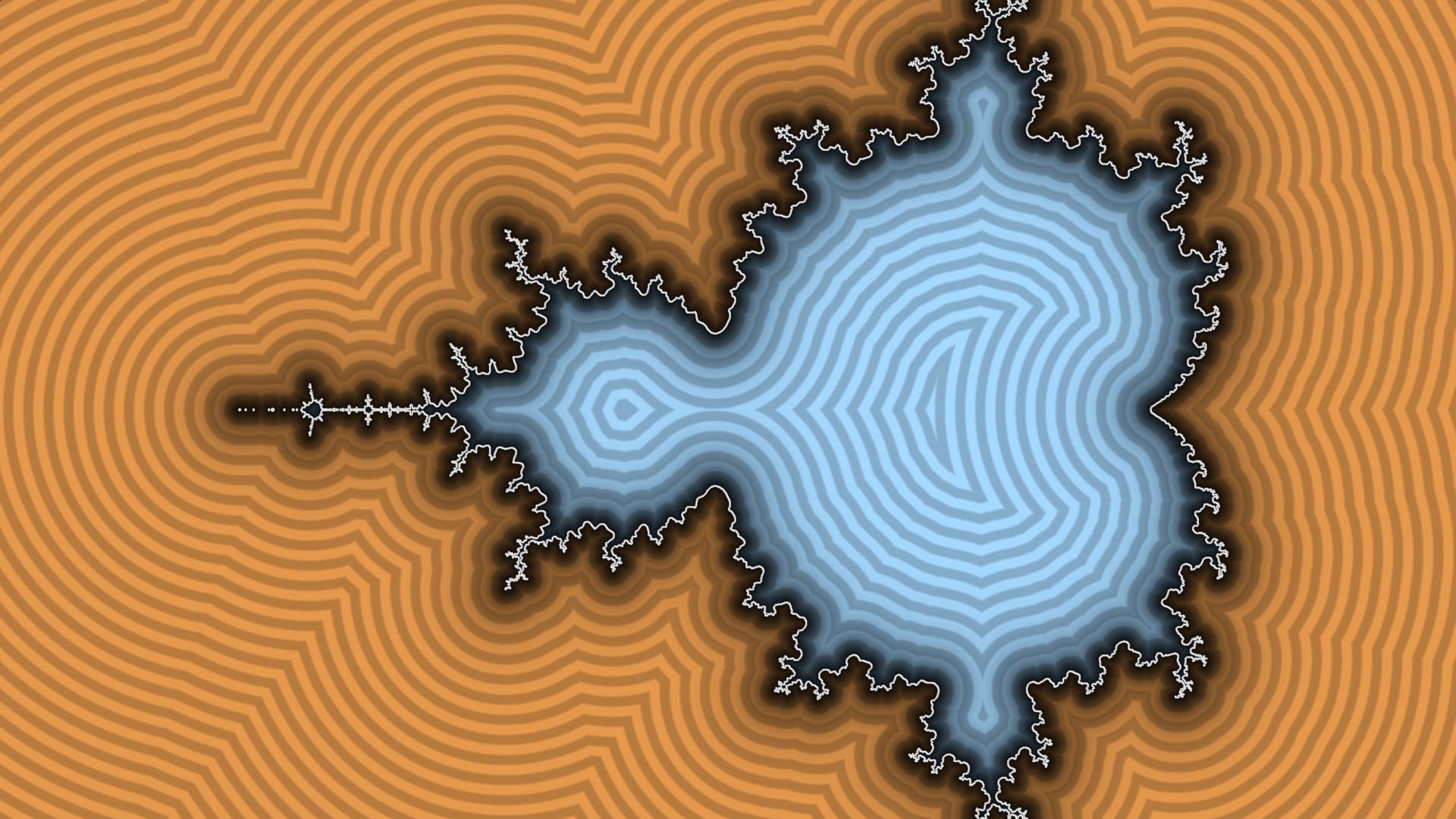
Signed distance fields for all meshes using a jump flood algorithm
Generate lookup textures for gravity (similar to baking lightmaps)
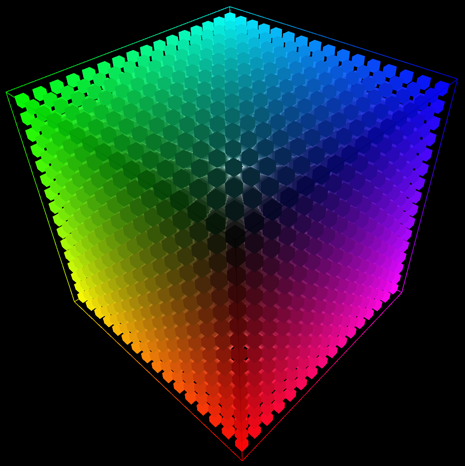
Streaming LUTs to reduce memory footprint
And many more
- Vector field per volume settings
- Dynamic field generation
- Static and dynamic field blending
- Spatial hashing
- Etc
Q&A
Assuming I haven't been kicked off stage already
Thanks for listening!